
birding in Zambia becomes much easier to plan when the route, season and pace are decided before the small details. Birding in Zambia works best when the trip focuses on two or three habitats rather than a national checklist. Combine a major safari region with one specialist wetland or woodland area, hire local guides and allow early-morning time that is not shared with long transfers.
This practical guide explains the trade-offs without promising perfect weather or guaranteed wildlife. Conditions, operating schedules and access can change, so confirm critical details with the park, lodge, airline or operator shortly before travel.
Quick answer: birding in Zambia
Birding in Zambia works best when the trip focuses on two or three habitats rather than a national checklist. Combine a major safari region with one specialist wetland or woodland area, hire local guides and allow early-morning time that is not shared with long transfers.
| Planning point | Practical answer |
|---|---|
| Safari woodland | South Luangwa or Kafue |
| Wetland focus | Bangweulu and seasonal floodplains |
| Broad approach | Two or three habitat types |
| Key equipment | Binoculars before a large lens |
Table of Contents
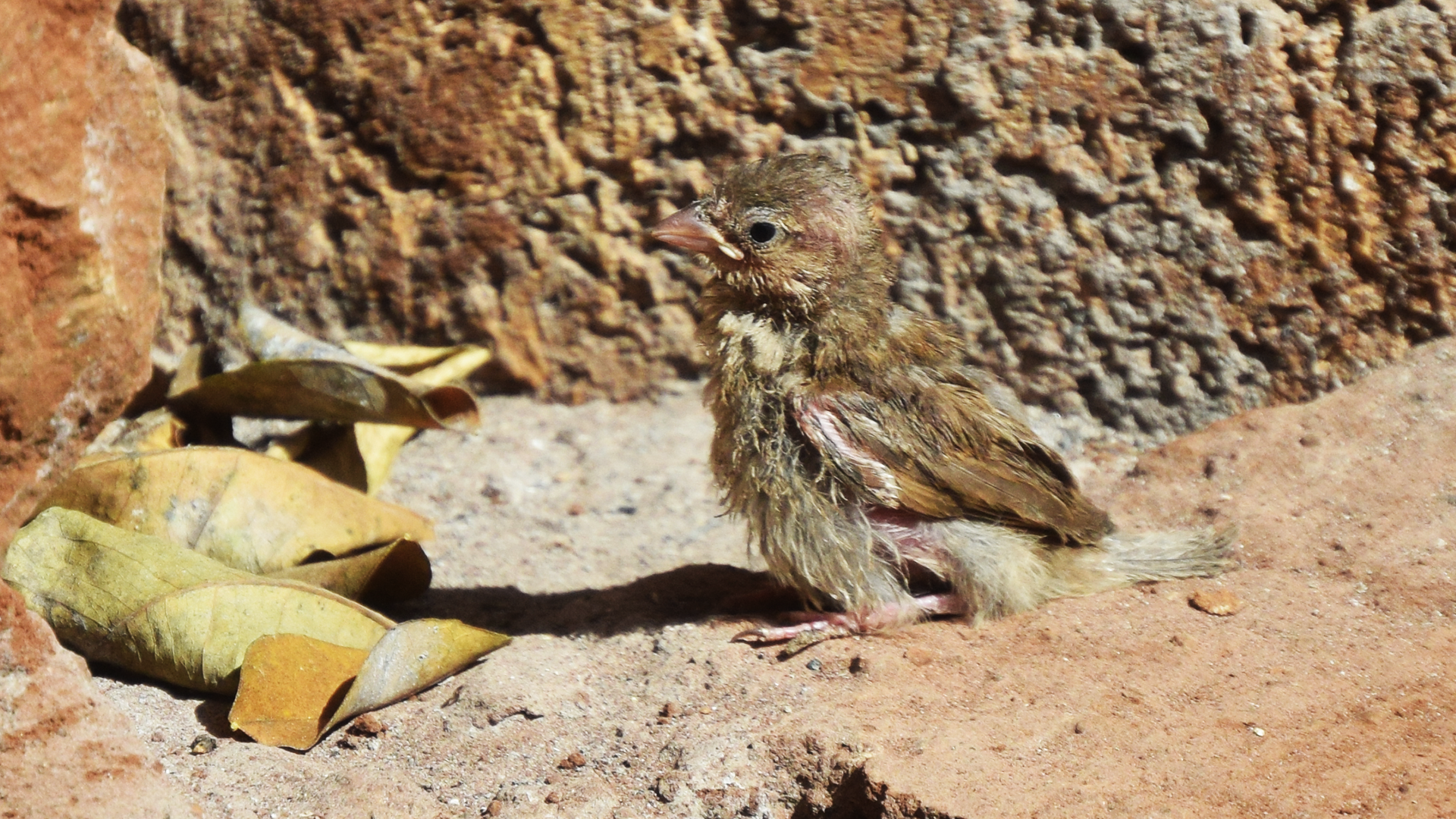
birding in Zambia: Choosing regions for birding in Zambia
South Luangwa combines birds with a classic safari, Kafue adds huge habitat variety and Bangweulu offers a specialist wetland experience. Northern forests, miombo woodland and river corridors add different communities. A first trip should not chase every endemic and near-endemic across vast distances. Choose habitats, then let the list grow naturally.
For a first visit, write down the decision this section changes in your itinerary. That keeps birding in Zambia practical and prevents an attractive detail from creating an awkward transfer, unsuitable activity or unrealistic day.
Ten planning tips
Start with a short target list; book local birding guides; carry binoculars; download an offline field guide; learn common calls; keep mornings free; protect optics from dust and rain; record habitat with each sighting; respect nesting birds; and build a rest period into long drives. These habits improve both identification and enjoyment.
Use current local advice for the final decision. Zambia’s distances, seasons and operating patterns reward a plan with margins, especially when fixed flights or remote accommodation are involved.
Season, rain and migration
The green season brings breeding activity, insects, migrants and dramatic colour, but it can complicate road access. Dry months concentrate some species near water and often simplify general safari travel. There is no universal best month because the desired habitats and species differ. Check recent local conditions with the guide who will actually lead the outing.
For a first visit, write down the decision this section changes in your itinerary. That keeps birding in Zambia practical and prevents an attractive detail from creating an awkward transfer, unsuitable activity or unrealistic day.
Photography and ethics
Do not crowd nests, play calls repeatedly or remove vegetation for a clear frame. A long lens is useful, but observation is the priority. Keep location data private for sensitive species. If a bird shows alarm, backs away or stops feeding, the group is too close. Ethical birding protects the very behaviour travellers came to see.
Use current local advice for the final decision. Zambia’s distances, seasons and operating patterns reward a plan with margins, especially when fixed flights or remote accommodation are involved.
Practical checklist
- Choose habitats before species totals
- Book specialist local guides
- Carry binoculars and an offline guide
- Protect optics from dust and rain
- Avoid disturbing nests or using excessive playback
Save this checklist with your booking confirmations and revisit it two weeks before departure. The best plan for birding in Zambia is detailed enough to be safe and simple enough to adapt when conditions change.
Frequently asked questions
When is the best time for birding in Zambia?
It depends on target habitats; green season is lively, while dry-season access is often simpler.
Do I need a huge camera lens?
No. Binoculars and a good guide add more value for most beginners.
Can I combine birding with a normal safari?
Yes. South Luangwa and Kafue are strong choices for mixed interests.
Plan the next step
Explore our Zambia travel guides, compare practical advice in the planning section, and check related ideas on the Zambia Travel Guide website. Verify prices, rules, road conditions and operating dates directly before booking.
Sources and image credit
- Zambia Tourism: Climate
- African Parks: Visit Bangweulu
- Zambia Tourism: South Luangwa National Park
- Zambia Tourism: Kafue National Park
Photo credit: Icem4k — CC BY-SA 4.0.