Region
Lusaka & the Kafue Flats
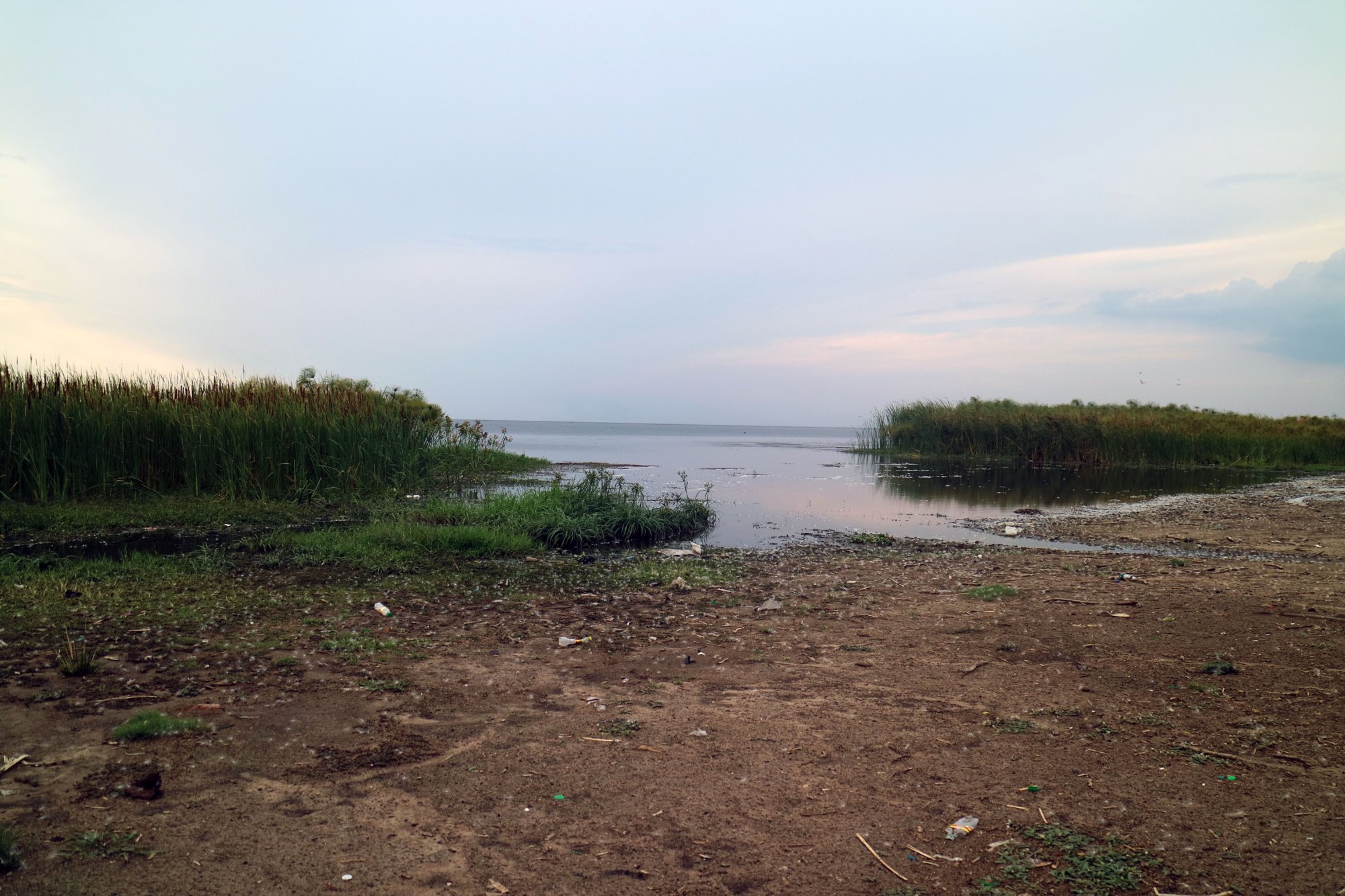
The capital, the country’s main gateway, and the lechwe floodplains an easy drive to the west.
Photo: Anayawa Nyambe, CC BY-SA 4.0, via Wikimedia Commons
The Kafue Flats are the wetland half of this region and Lusaka is the other. This is the region almost every visitor passes through and comparatively few stop in. Lusaka is Zambia’s capital and its principal international entry point; west of it, the Kafue River spreads into one of the most important wetlands in southern Africa. The two sit within a few hours of each other and have almost nothing in common.
Lusaka
Lusaka became the capital of Northern Rhodesia in 1935, when the administration moved north from Livingstone. It is now a large, fast-growing city and the hub of the country’s road network: the T1 runs south-west to Livingstone, the T2 north to the Copperbelt and the far north, and the M9 west towards Mongu.
Kenneth Kaunda International Airport handles the great majority of Zambia’s international arrivals, and most domestic routes radiate from it. For many itineraries Lusaka is a connection rather than a destination — an arrival night before a morning flight to Mfuwe, or a supply stop before a long drive.
If you do stop, the National Museum, the Sunday craft market tradition and the city’s restaurant scene are the reasons people give. It is a working African capital rather than a tourist city, and it is best approached as one.
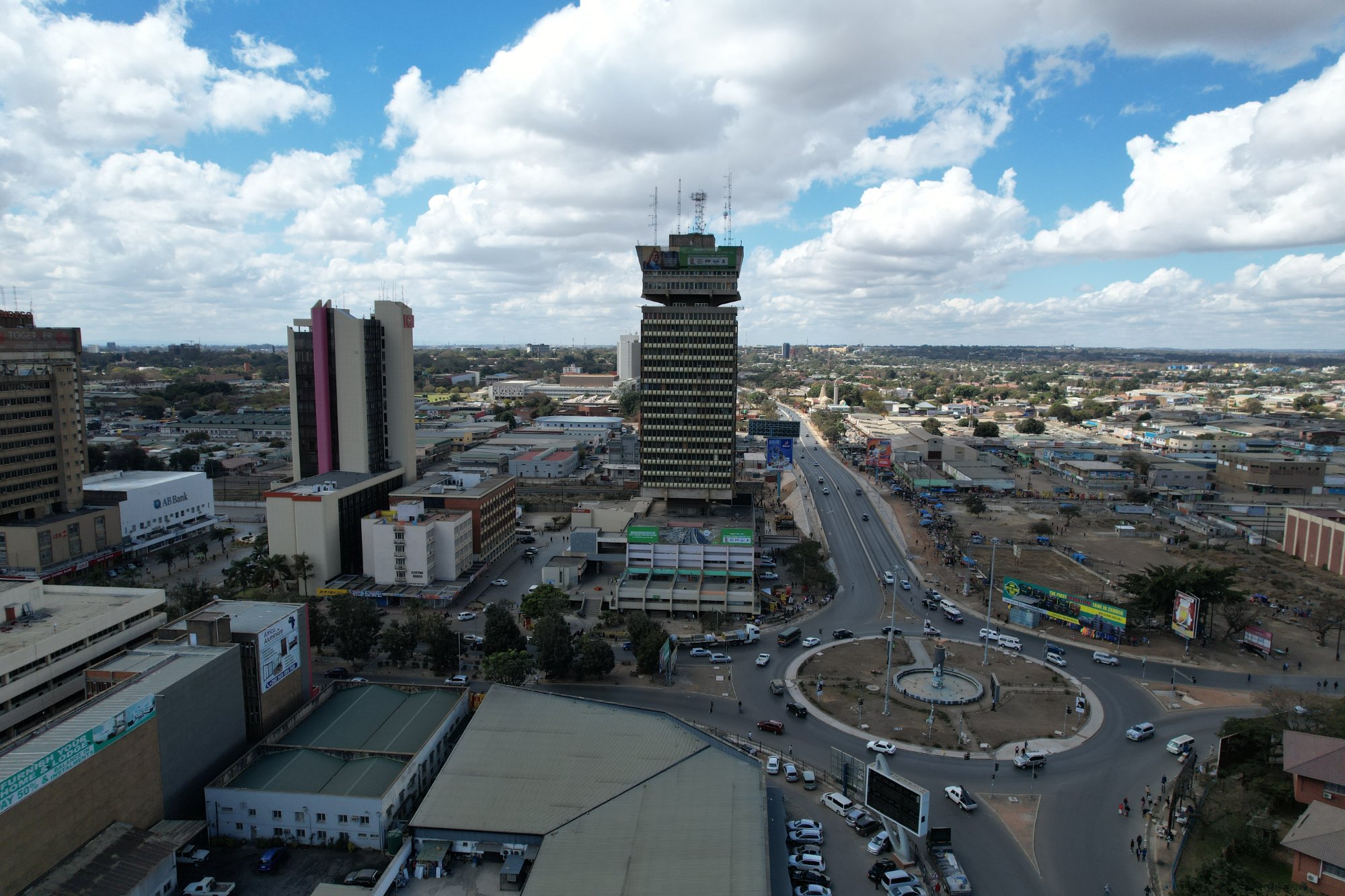
Photo: Lupali, CC BY-SA 4.0, via Wikimedia Commons
Kabwe
Kabwe lies on the Great North Road about 140 km north of Lusaka and is the provincial capital of Central Province. It was founded as Broken Hill, after the lead and zinc mine that built it, and some operators still sell it under that name. For a traveller it is a practical stop rather than a destination: the natural break on the long drive to the Copperbelt, or to the Kasanka and Bangweulu country further north, and a working town for anyone here on business rather than for the view.
We treat it as its own destination because on a drive that long, where you break it matters. Places to stay in Kabwe are listed only once a property has been verified against the town-centre anchor, so that page may stay empty for a while yet.
The Kafue Flats
West of Lusaka the Kafue River slows and spreads across a vast seasonally flooded plain. The flats are the entire world range of the Kafue lechwe, an antelope found nowhere else, and they support very large numbers of waterbirds. Two national parks protect parts of them: Lochinvar on the south bank and Blue Lagoon on the north.
Neither is a big-game destination. They are floodplain parks — birds, lechwe, open water and enormous skies — and they are among the few genuinely wild places in Zambia you can reach from the capital in a morning.
When to go
The flats are governed by the flood, which is in turn governed by upstream releases as well as rainfall. Broadly, the dry months from about June to October give the firmest access and the largest concentrations of lechwe and birds on the receding water. The wet months make the tracks difficult and much of the plain impassable.
Getting there
- Lusaka is the arrival point for most international visitors, and the junction of the T1, T2 and M9.
- Lochinvar is reached from Monze on the T1, south-west of Lusaka, on an unsurfaced approach road. A high-clearance vehicle is advisable and becomes essential in and after the rains.
- Blue Lagoon is reached from the Lusaka–Mumbwa road on the north side of the flats.
Both flats parks have limited visitor infrastructure and no reliable fuel or supplies nearby. Treat a day trip as a self-sufficient outing: water, food, a spare wheel and a full tank before you leave the tarred road.
How long to give it
Most visitors give Lusaka one night, either side of an international flight, and that is usually the right call. The Kafue Flats deserve more than they get: Lochinvar works as a very long day trip from Lusaka, but an overnight turns it from a drive into a visit, and the light on the floodplain at either end of the day is the reason to be there. Two nights covers the region properly.
Who the Kafue Flats suit
Birders, first and foremost. The Kafue Flats hold waterbird numbers that justify a trip on their own, and the Kafue lechwe is found nowhere else on earth. It also suits anyone with a spare day at the start or end of a trip who would rather spend it somewhere wild than in a hotel, and self-drivers who need to stock up in Lusaka before heading west or south.
What the Kafue Flats are not
It is not big-game country. There are no lion on the flats and the parks are not managed for that kind of viewing. Visitors who arrive expecting a safari in the Luangwa sense will be disappointed; visitors who arrive expecting an enormous wetland full of birds and antelope will not.
Where to go next
- Kafue National Park — the same river, much further upstream
- Lower Zambezi & Lake Kariba — the usual next stop south-east of Lusaka
- All Zambia destinations
- Zambia itineraries — how this region fits into a route
- Where to stay in Zambia
- Travel planning — seasons, flights and getting around
Sources
Facts and figures on this page are drawn from the following. Where sources disagree we say so in the text.